





HOW IT WORKS
We diagnose what’s broken, design the architecture, build the system, and stay accountable for it working. Here’s how we get there.
From Chaos to Control in Four Phases
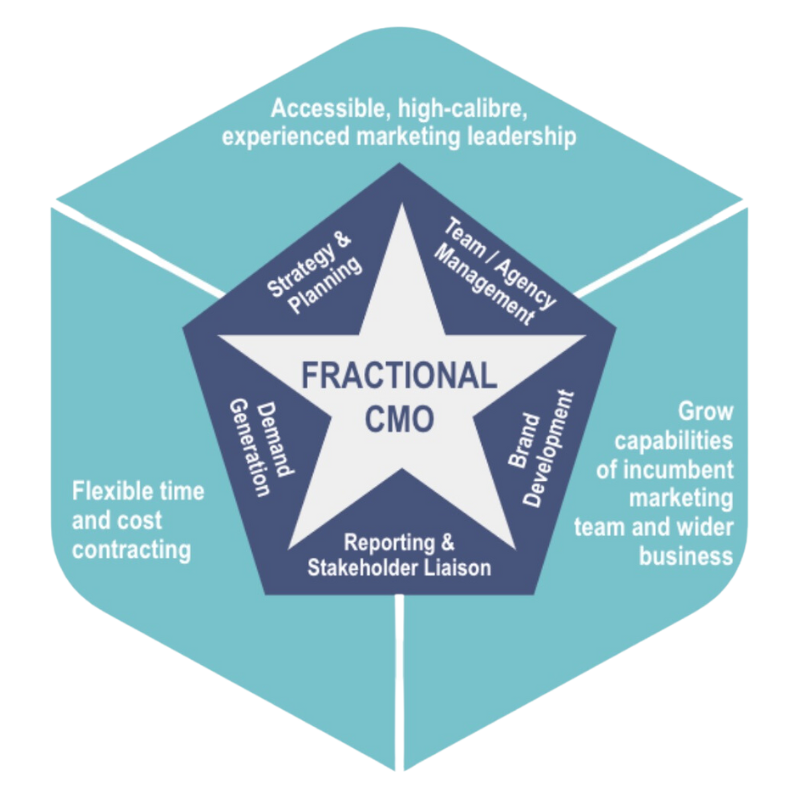
The Four Phase Process
A System Built in Phases, Not Promises
Every engagement follows the same structure. We don’t skip steps, and we don’t start building until we understand what we’re building for.

Diagnose

Design

Build

Govern
Diagnose – Find what’s broken and why.
We map your tools, workflows, data flows, and dependencies—then identify where the system is failing. The leaks. The handoffs that don’t happen. The data no one trusts. The processes that depend on heroic individuals instead of reliable infrastructure.
Duration: 2-3 weeks
You get: Diagnostic report with prioritized findings and architectural recommendations

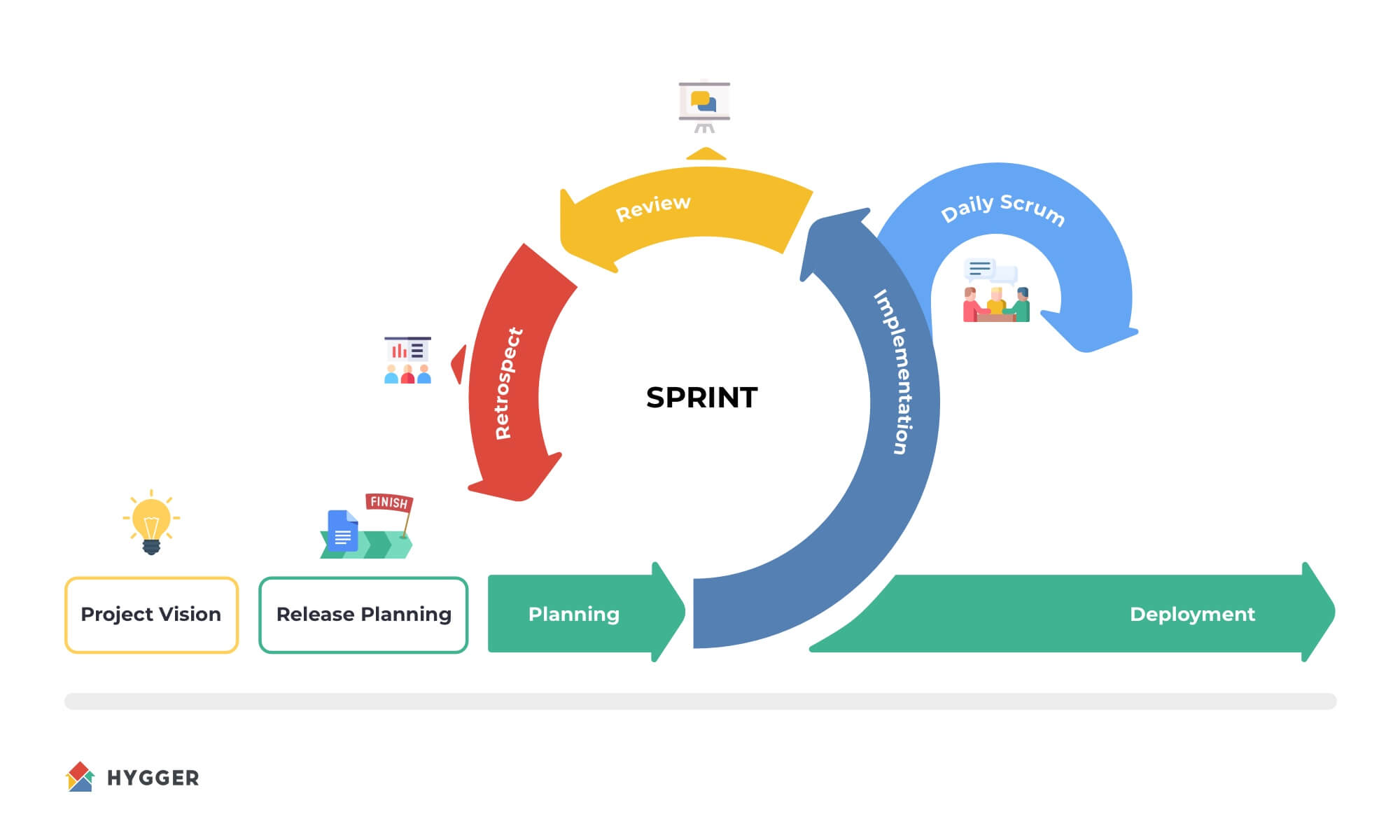
Design – Architect the system you actually need.
Based on the diagnostic, we design the operating system your revenue engine requires. What tools stay. What goes. How data flows. Where automation belongs. Where AI adds value. Who owns what. Design means making decisions—and we make them together.
Duration: 2-4 weeks
You get: Architecture blueprint with implementation roadmap
Build – Implement the infrastructure.
We build everything defined in the architecture—integrations, automations, workflows, data infrastructure, AI agents. We don’t hand you a document and wish you luck. We implement it, and your team learns alongside us so they understand how it works and why.
Duration: 4-12 weeks
You get: Working system, documentation, trained team
Govern – Keep the system coherent as you grow.
A system without governance drifts back toward chaos. The Govern phase ensures someone is accountable for ongoing performance—whether that’s us on a fractional basis, your internal team, or a hybrid model. The system is designed to be governed, not abandoned.
Duration: Ongoing
You get: A system that improves over time instead of decaying
What companies ask us about revenue architecture
How much does the diagnostic cost, and what if we decide not to proceed?
The diagnostic is a paid engagement—typically $5-8K depending on complexity. You get a complete report with findings, priorities, and recommendations regardless of whether you continue. If you decide AA+OS isn’t the right fit, you still have a roadmap of what needs fixing. No pressure to proceed, no money wasted.
Can we skip the diagnostic if we already know what's broken?
We don’t recommend it. What feels obvious from inside the system often isn’t the actual root cause. The diagnostic reveals dependencies, failure patterns, and architectural issues that aren’t visible from daily operations. Skipping it means we’d be designing on assumptions instead of evidence—and that’s how you end up rebuilding the same problems.
What level of access do you need to our systems during the diagnostic?
Read-only access to your core revenue systems: CRM, marketing automation platform, analytics, and key integrations. We’re not making changes during the diagnostic—just mapping what exists. During the Build phase, we’ll need admin access to implement. All access protocols are documented, and credentials are transferred back to you at project completion.
How involved does our leadership need to be?
Diagnose phase: minimal. We need a few hours of stakeholder interviews, but we do the analysis. Design phase: very involved. This is where decisions get made—what stays, what goes, how things connect. Expect 2-3 working sessions to align on architecture. Build phase: moderate. Regular check-ins, testing, and feedback loops, but we handle implementation. Govern phase: depends on the model you choose.
What if we need to pause the engagement partway through?
Life happens. If you need to pause after Diagnose or Design, you keep all deliverables produced to that point. If you need to pause during Build, we document current state and create a handoff plan. We’d rather pause properly than rush through and compromise quality. Restarts are straightforward—we pick up where we left off.
Do you work with companies outside your typical $3-10M range?
Sometimes. Below $1M, the architectural work often exceeds what the business can absorb or afford—you might not be ready yet. Above $10M, you may need a full-time CRA rather than fractional support, though we can still handle the build. The diagnostic conversation will reveal if we’re the right fit regardless of revenue.
How quickly can we get started?
We can typically begin a diagnostic within 1-2 weeks of signed agreement. Build timelines depend as much on your team’s availability and decision-making speed as ours. The fastest engagements happen when leadership is engaged and ready to make calls. The slowest happen when decisions stall in committee. We’ll work at whatever pace makes sense for your business.